Insomnia | Afpnía
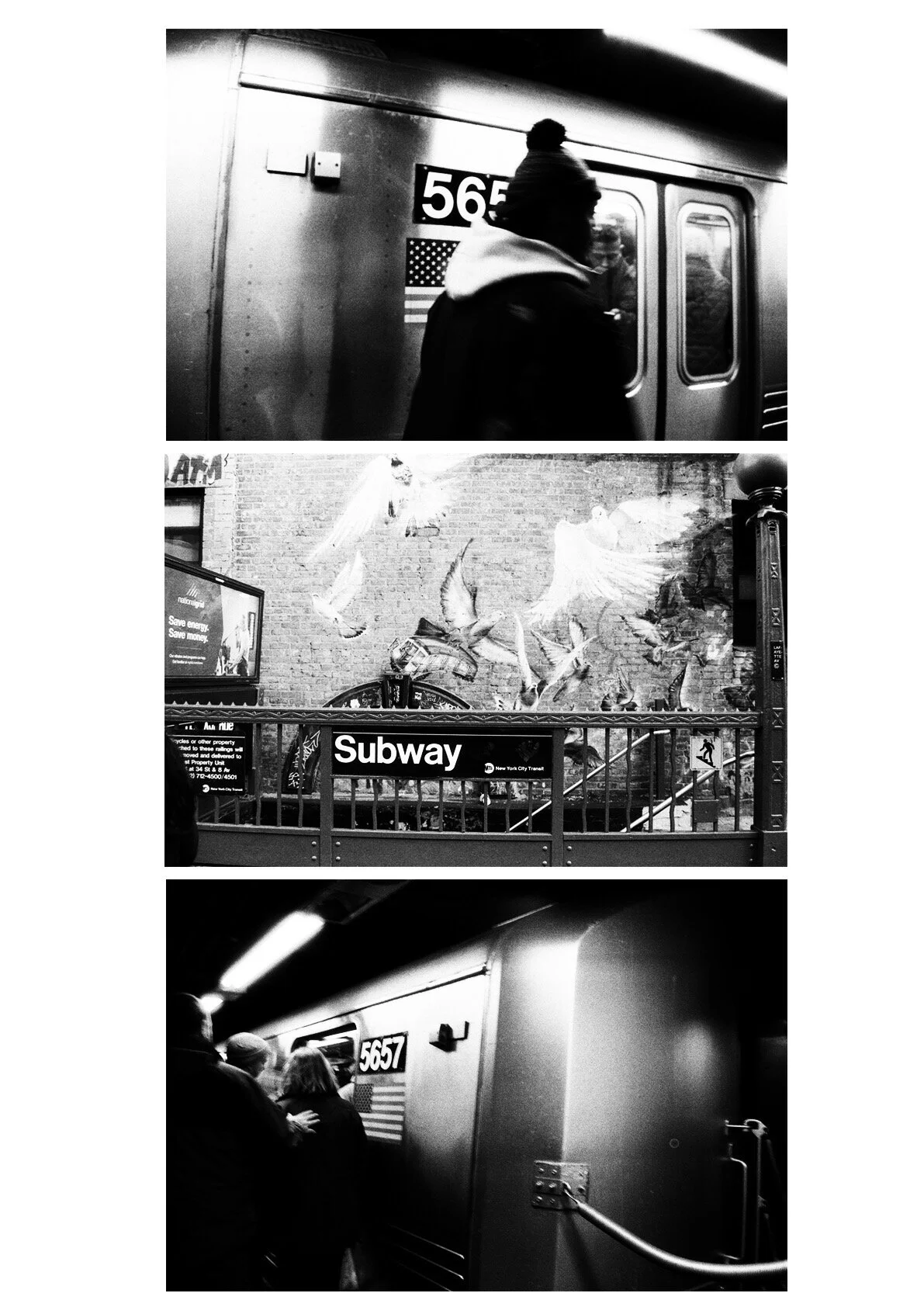
Insomnia | Afpnía: The Art of Wakefulness
There is a language to insomnia, a lexicon written in restless thoughts, in half-formed dreams, in the quiet hum of a mind that refuses the surrender of sleep. Afpnía is not merely a condition; it is a nocturnal companion, both merciless and intimate, brushing against the edges of consciousness with invisible fingers. In its presence, the world of day - the measured routines, the tidy boundaries - dissolves, leaving a mind stretched thin over the unspooling hours, awake when it should not, alert when the body cries for rest.
For the artist, insomnia can be both a thief and a muse. It steals sleep, yet it gifts a peculiar clarity, a liminal space where perception sharpens and imagination moves in slow, deliberate spirals. The studio becomes a refuge, a sanctuary where restless energy may find form. Charcoal scratches across paper like the echo of a racing heartbeat; ink pools and spreads like thoughts bleeding beyond containment; clay yields under hands that shake with fatigue, yet persist in their careful molding. Here, the sleepless mind discovers a paradoxical rhythm, a pulse between fragility and creation, between chaos and structure.
In art therapy, insomnia becomes a dialogue rather than a torment. It is a space where sleeplessness can be witnessed, where the unrelenting churn of thoughts, fears, and memories can be translated into material expression. Each mark, each brushstroke, each sculpted form becomes a conversation with the self, a tangible acknowledgment of the unseen interior world. Layering paint mirrors layering emotion; repetitive mark-making mirrors the repetitive thoughts that haunt the night; delicate textures become vessels for what cannot be spoken. Afpnía teaches the therapist and client alike to hold tension without forcing resolution, to witness restlessness with curiosity rather than frustration.
The aesthetic of insomnia is subtle, almost invisible to the untrained eye. It is in the fragile arch of shadows cast by streetlights through blinds, the trembling reflection of a clock’s hands, the quiet rustle of sheets in a silent room. These images seep into art, becoming textures, lines, and forms that articulate what words fail to capture. A painting may capture the vertigo of wakefulness; a sculpture may embody the weight of repeated thoughts; a collage may map the fractured yet persistent landscape of a mind in unrest. Afpnía, in this way, becomes not only subject but method – a medium through which the restless mind is both explored and held.
There is a strange intimacy in insomnia. The night stretches long, and the artist or client becomes both observer and participant, caught between vigilance and surrender. In the studio, this intimacy is transformed: a hand guided over clay, a brush held with deliberate attention, a page filled with line after line of unspoken thought. Each creation is a testament to presence, a marker of endurance, a translation of sleepless energy into something visible, tangible, and contained. It is in this act of containment that transformation begins: anxiety softens; disjointed thoughts find rhythm; the invisible becomes visible, the unmanageable becomes holdable.
And yet, insomnia is never entirely tamed. It is a companion that returns, insistent and unpredictable. But through art, through the deliberate practice of shaping and witnessing, it may be met with gentleness, with acknowledgement, with curiosity. Afpnía teaches patience, attention, and the delicate craft of listening – to the body, to the mind, to the subtle language of wakefulness. It teaches the artist and the client alike that even in unrest, there is material for reflection, expression, and understanding.
In the interplay of sleeplessness and creativity, of anxiety and expression, insomnia becomes something more than absence of sleep: it becomes an invitation. An invitation to explore the edges of consciousness, to translate the invisible into form, to hold the restless self in a gentle gaze, and to discover in the long night a quiet, trembling beauty. Through art, the dark hours are no longer empty; they are filled with textures, with marks, with insight – a nocturnal tapestry woven from the threads of wakefulness, imagination, and the tender courage to bear one’s own restless mind.